The phrase is historical
It grew from matrimonial advertisements, correspondence, catalogs, and migration stories. Today it often creates a false image of buying a person.
Explore the timeline →
“Mail-order bride” is an outdated phrase for forms of long-distance courtship and international matchmaking. This guide separates the stereotype from the real history, legal safeguards, modern technology, and safety issues.
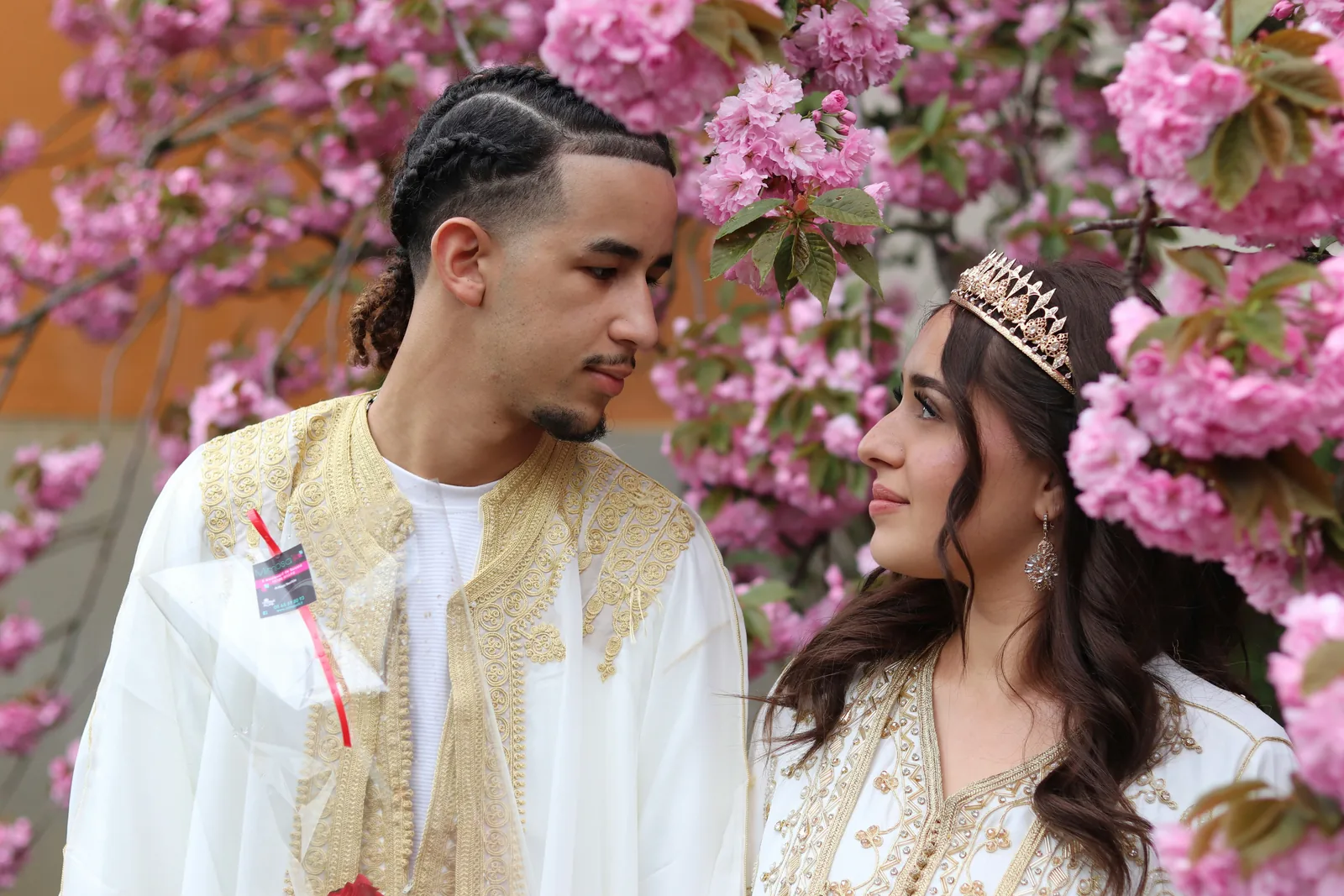
Literal “mail-order brides” are a myth; consensual international dating and matchmaking are real.
Use precise language, recognize the role of consent, understand the service rather than the stereotype, and keep safety at the center.
It grew from matrimonial advertisements, correspondence, catalogs, and migration stories. Today it often creates a false image of buying a person.
Explore the timeline →Profiles, live video, translation, matchmakers, travel, and in-person meetings have replaced one-way catalogs and letters.
See how it works today →Each adult decides whether to join, communicate, meet, date, marry, immigrate, or walk away. A service can introduce people; it cannot create consent.
Understand the distinction →Fraud, financial manipulation, coercion, and misrepresentation can occur on any dating channel. Verify identity and never treat emotional urgency as proof.
Use the safety checklist →U.S. immigration processes and the International Marriage Broker Regulation Act include disclosures and protections in certain cases.
Review the legal overview →Dr. Julia H. Meszaros used years of fieldwork, interviews, and observation to examine international dating beyond the usual stereotypes.
Explore the research →Documentaries, reality shows, crime programs, and fictional movies often present very different versions of international dating.
Watch and explore the media →Legitimate services may help adults find and communicate with potential partners across borders. The relationship itself must still develop through mutual interest, trust, time, and real-world interaction.

No single path fits every couple, but responsible relationships usually move from communication to verification and then to real-life experience.
Meet through a platform, matchmaker, event, friend, work, travel, or social network.
Discuss daily life, values, goals, family, culture, finances, and expectations.
Use repeated live video, consistent information, reverse-image checks, and patience.
Plan an in-person visit with independent travel, public meetings, and clear boundaries.
Only after real experience should a couple discuss commitment, marriage, or immigration.

The FBI describes romance scams as schemes in which a criminal uses a false identity to gain affection and trust before asking for money. International distance can make verification harder, so slow down and independently confirm what you are told.
Never send money, cryptocurrency, gift cards, account access, packages, or sensitive documents to a person you have only met online.
No. A person cannot legally or ethically be purchased or ordered. The phrase is a historical and often misleading label for long-distance courtship and international matchmaking.
Modern services include international dating websites, matchmaking agencies, translation and communication tools, organized social events, and independent introductions. Adults choose whether to participate and whether to continue a relationship.
Consensual international relationships are legal, but immigration, marriage, consumer-protection, and international-marriage-broker rules may apply. Couples should use official government guidance and qualified legal advice for their specific circumstances.
Do not send money, cryptocurrency, banking access, or identity documents to someone you have only met online. Verify identity through repeated live video calls and meet safely in person before making major commitments.